
A club is only as good as its river
The club was founded by anglers, on a river people swam in, and it stayed through the decades when nobody would. It is still here today, on a river that is finally coming back. That long view is the heart of how the club sees stewardship: we are neighbors of this river before we are anything else.
That is not just history. Members still fish this stretch of the Anacostia the way the club's founders did in 1905, and paddle it by canoe from our own dock alongside the sailors and rowers who share Boathouse Row. A hundred and twenty-one years on, this is still a river people get out on, not just one they look after.
The story of the river's decline and recovery is told alongside the club's own on the club history page. This page is about the work: what the club does on the water today, the partners we do it with, and the industrial history next door that made the work necessary.
Yes to the DC Bottle Bill
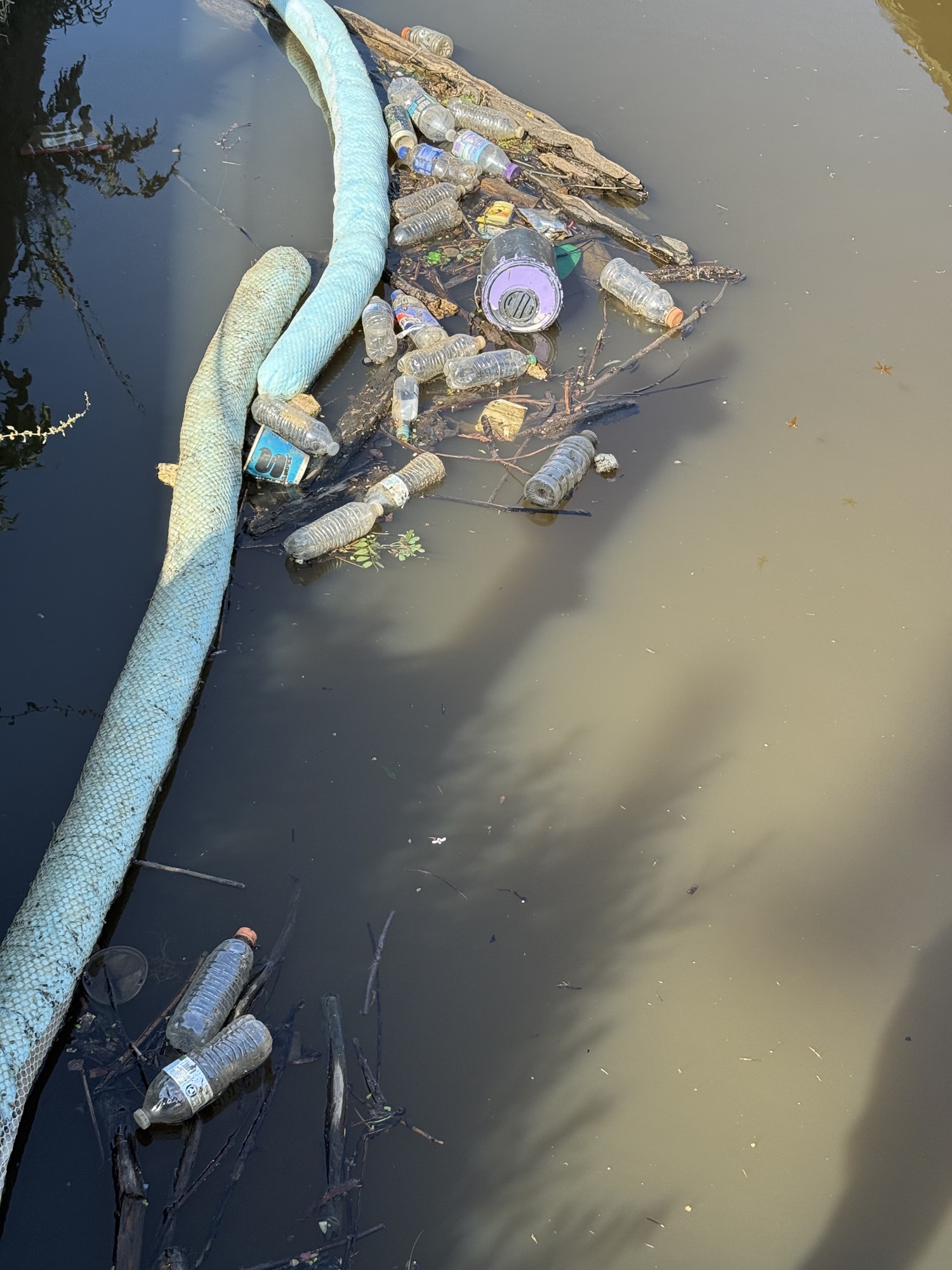
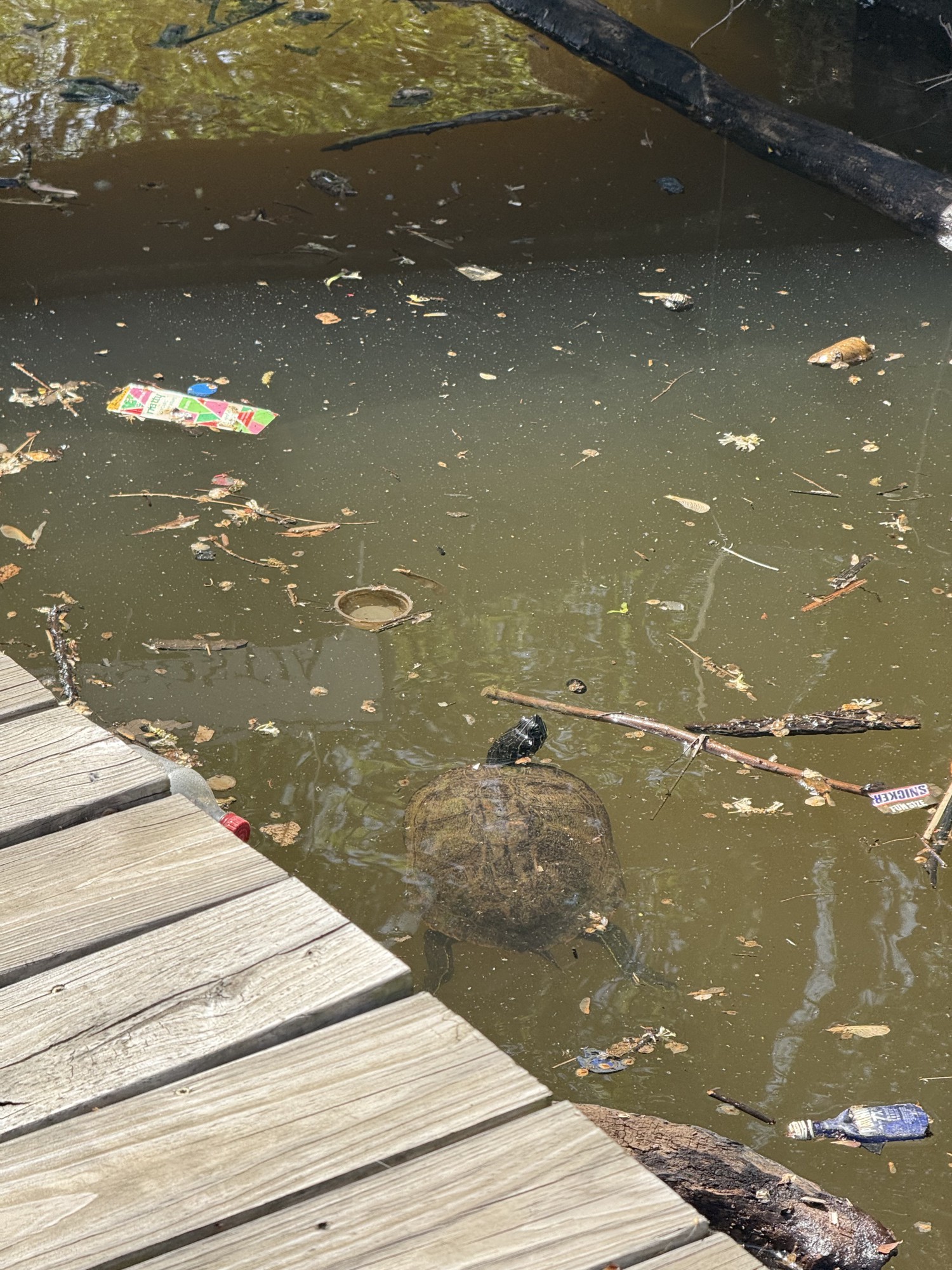
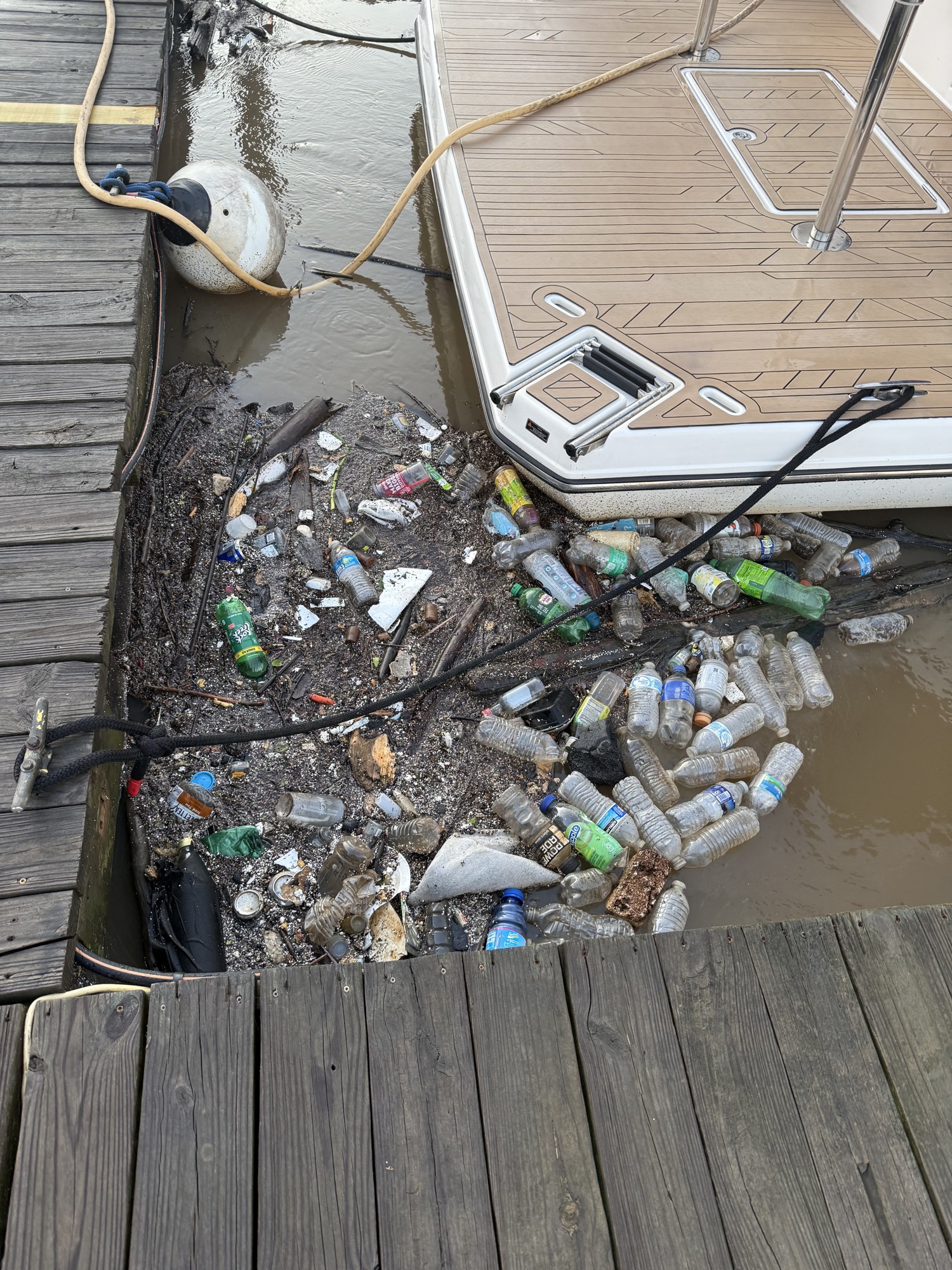
Anyone who has recreated on the Anacostia after a storm has seen the sea of trash that flows from the streets, through our storm drains, and into the river. It accumulates on our shorelines or flows on to the bay and the ocean, breaking down all the while into toxic microplastics that harm humans and nature alike.
That is why the club supports the DC Bottle Bill, the Recycling Refund and Litter Reduction Amendment Act (B26-0058), now before the DC Council. It would put a refundable ten-cent deposit on beverage containers, paid back in full when the empty comes home. It is a simple idea with a long record: in the ten states that already have deposits, most bottles and cans come back for the dime instead of ending up in the water.
We remove bottles from the Anacostia at every high tide. We would be glad to remove fewer. To learn more, visit the campaign at 3RC, the Return, Refund, and Recycle Coalition for DC, or read Nature Forward’s overview of the effort.
Cleanups, season after season
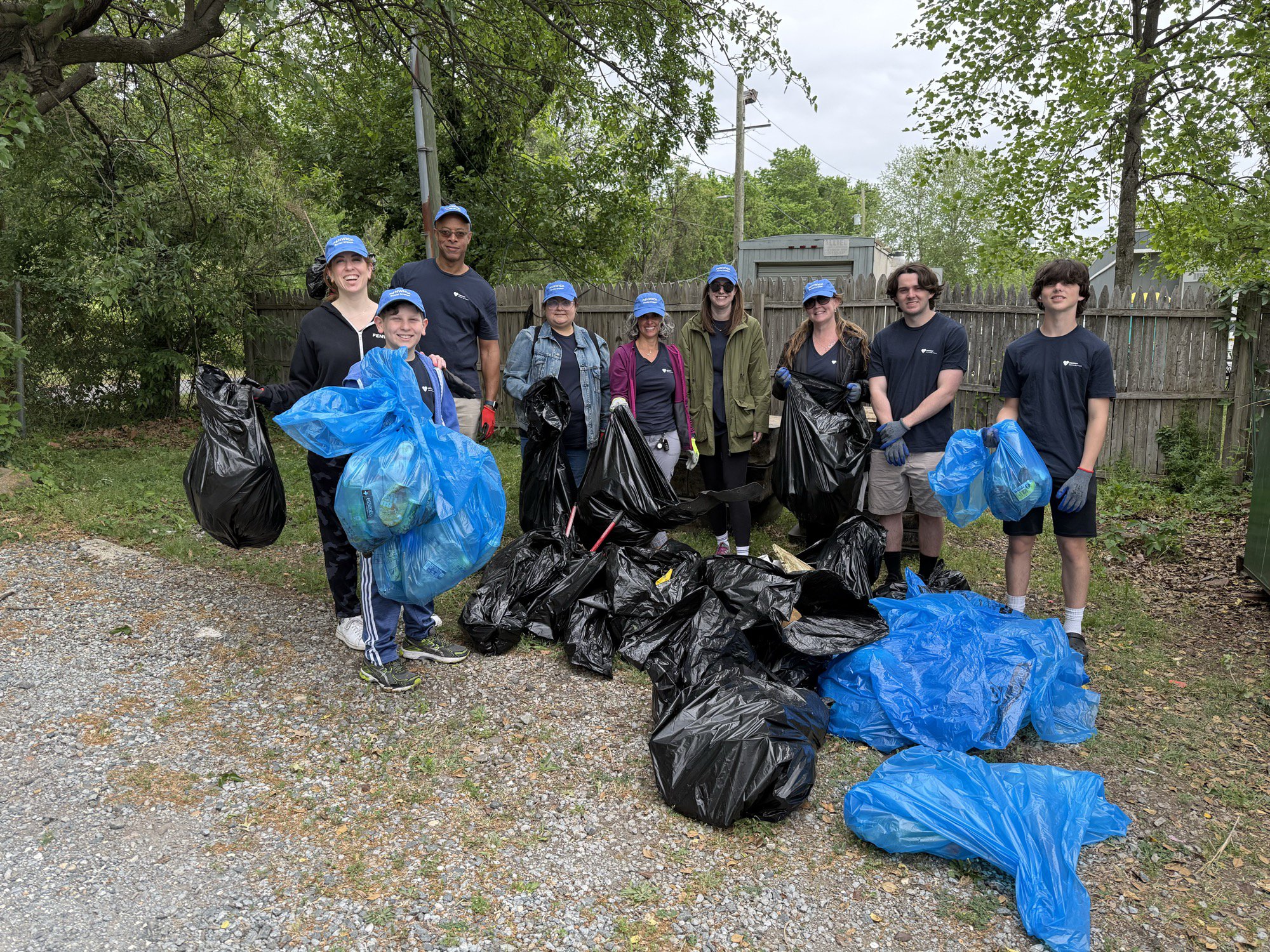
In 1985, Howard Gasaway of the Seafarers Yacht Club, the country's oldest African American yacht club and a fellow Anacostia club just up the row, founded the annual Anacostia River Earth Day cleanup in partnership with Mayor Marion Barry. It has grown into one of the largest single-day volunteer events in the region, and the club is glad to carry that work forward.
Each April the club hosts an Earth Day cleanup of its own: members, families, and neighbors working over the shoreline, the boat yard, and the fence line. Through the season we join shoreline cleanups along the river, and day to day the members look after their own stretch of it, the oldest kind of stewardship there is.
Read the cleanup reports in club news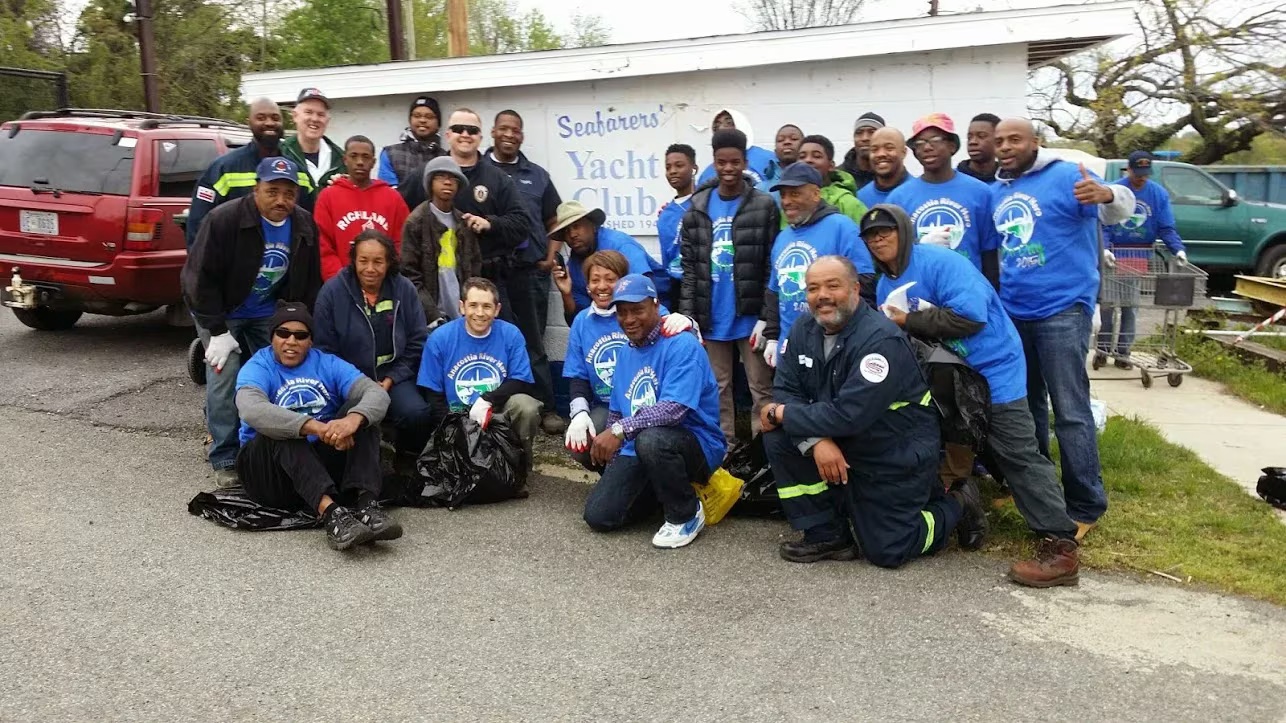
Caring for our corner of the river
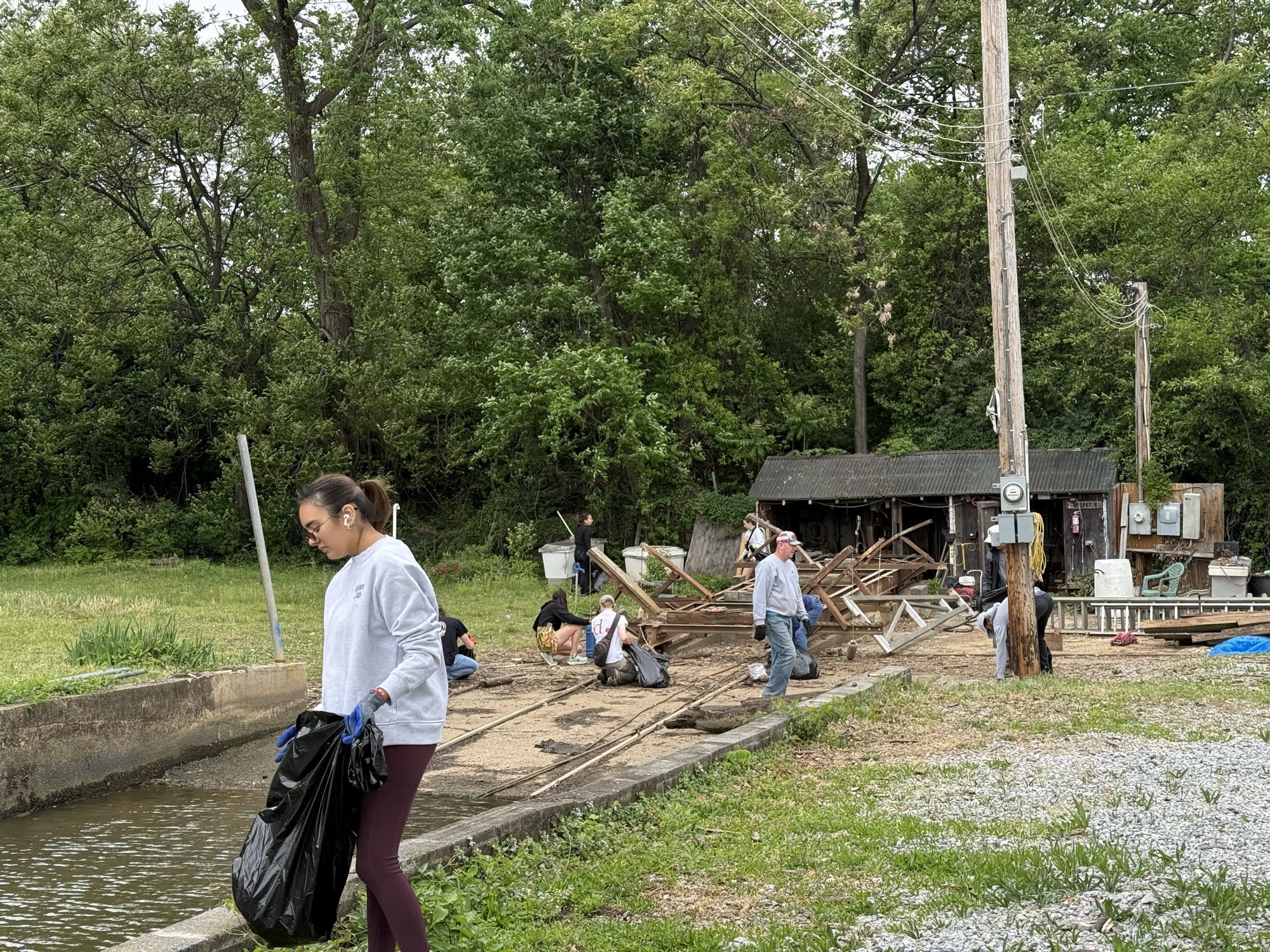
The work does not wait for April. For years the club's members have looked after the long-neglected stretch of Water Street SE in front of the club, trimming back the brush, clearing the trash that gets dumped along it, and plowing the road ourselves when the snow comes and no one else does.
Down on the water, our shoreline catches whatever the river carries. When the tide runs high it leaves trash and debris along the bank, and members clear it by hand as a matter of course. It is the oldest kind of stewardship there is: looking after the ground beneath your own feet.
Our marine railway does a quieter kind of good. Where the old rail that hauls boats out of the water slopes down to meet the river, the bank stays open, and along a shoreline all but walled off by bulkheads and seawalls it is one of the only places on this stretch of the Anacostia where wildlife can still reach the water on its own.
Wild neighbors on the Anacostia
A healthier river brings life back to its banks, and the club has a front-row seat. Bald eagles and ospreys work the water overhead, egrets stalk the shallows, and the shoreline draws deer, fox, opossums, groundhogs, beavers, muskrats, turtles, and even river otters. Every spring the members watch the shad run come up along our seawall, as sure a sign as any that the Anacostia is finding its way back. The run has help: the Anacostia Watershed Society works with school children across the city to raise American shad fry in the classroom and release them into the river.
On the wing
- Bald eagles
- Ospreys
- Egrets
Along the bank
- Deer
- Fox
- Opossums
- Groundhogs
In and on the water
- Beavers
- Muskrats
- River otters
- Turtles
Fellow boaters on the Anacostia
The club is one of five boating organizations on Historic Boathouse Row, sharing the same dock line and the same stretch of river. District Yacht Club is our next-door neighbor. Seafarers Yacht Club, the country's oldest African American yacht club, started the Earth Day cleanup the club carries on today. Washington Yacht Club, founded in 1910, is listed on the National Register of Historic Places. And Anacostia Community Boathouse opens rowing, paddling, and dragon boating on the river to the public. DC Sail and the Capital Yacht Club share the river too, through community sailing and cruising.
See the club's full list of boating links and partners for more.
The organizations bringing the Anacostia back
We want what our partners want: a river you can swim in, fish from, and paddle across without pushing bottles out of the way. Two things have kept people out of this water. One is sewage. A hard rain used to send the combined sewers straight into the river, an average of 84 overflows a year. DC Water's Clean Rivers tunnels have all but ended that: the Anacostia system was finished in September 2023 and cuts overflow volume by 98 percent, down to about two events in a normal year. The other is trash, which still arrives with every storm, and which is why the club backs the Bottle Bill.
The proof it is working came in July 2023, when the Anacostia Riverkeeper got a permit and people swam in the Anacostia for the first time since the District banned it in 1971. Much of the work behind that belongs to two organizations the club is proud to stand with.
Anacostia Watershed Society
Founded in 1989 and a special member of our club, the Society has spent more than three decades putting the river back together: planting tens of thousands of native trees, restoring wetlands and wildlife habitat, monitoring the water, and hauling well over a thousand tons of trash off the river and its banks.
Our mission is to protect and restore the Anacostia watershed for the benefit of all who live here and for future generations. The Anacostia Watershed Society's mission, in its own words
Their reach is the whole watershed. Ours starts at our own seawall. The Society holds a special membership in this club, and the club backs that mission from the water.
Anacostia Riverkeeper
Founded in 2008, the Riverkeeper is a valued partner in the same work. Its team watches over water quality, runs cleanups, and opens the river to everyone through free boat tours and Friday-night fishing. We are especially grateful for its work removing abandoned and derelict boats from the Anacostia, which keeps the river safer and cleaner for everyone who shares it.
What the river weathered
The Anacostia's trouble did not start with heavy industry. Colonial farming had already silted the river up a century before the club existed, and by the time factories and gasworks lined its banks the water was already a shadow of what its first people had known. These are the documented chapters, each linked to the public record.
A river named for its first people
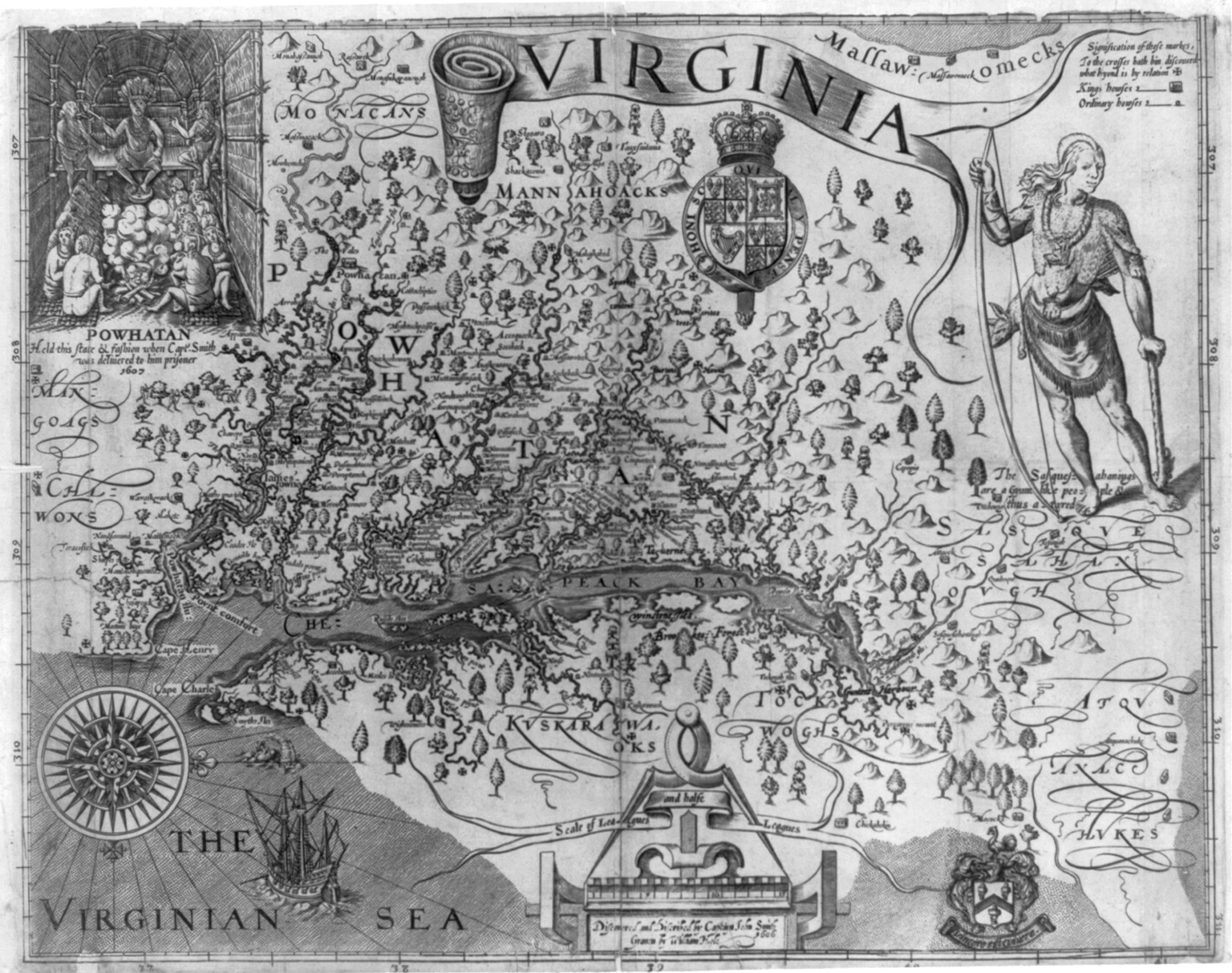
The river carries the name of its first people, the Nacotchtank, an Algonquian-speaking community who lived at the meeting of the Potomac and the Anacostia for generations before any of this was Washington. Captain John Smith found their village, a trading center of about three hundred people, in 1608. Disease and conflict with the colonists scattered the Nacotchtank within decades; the last of them left Theodore Roosevelt Island by the late 1660s and were absorbed into the Piscataway people to the north by 1700. The river's own name is what remains: Anacostia, from the Latinized "Anacostan," itself from Nacotchtank.
Sources: Nacotchtank history · Boundary Stones, WETA
When Bladensburg was an ocean port
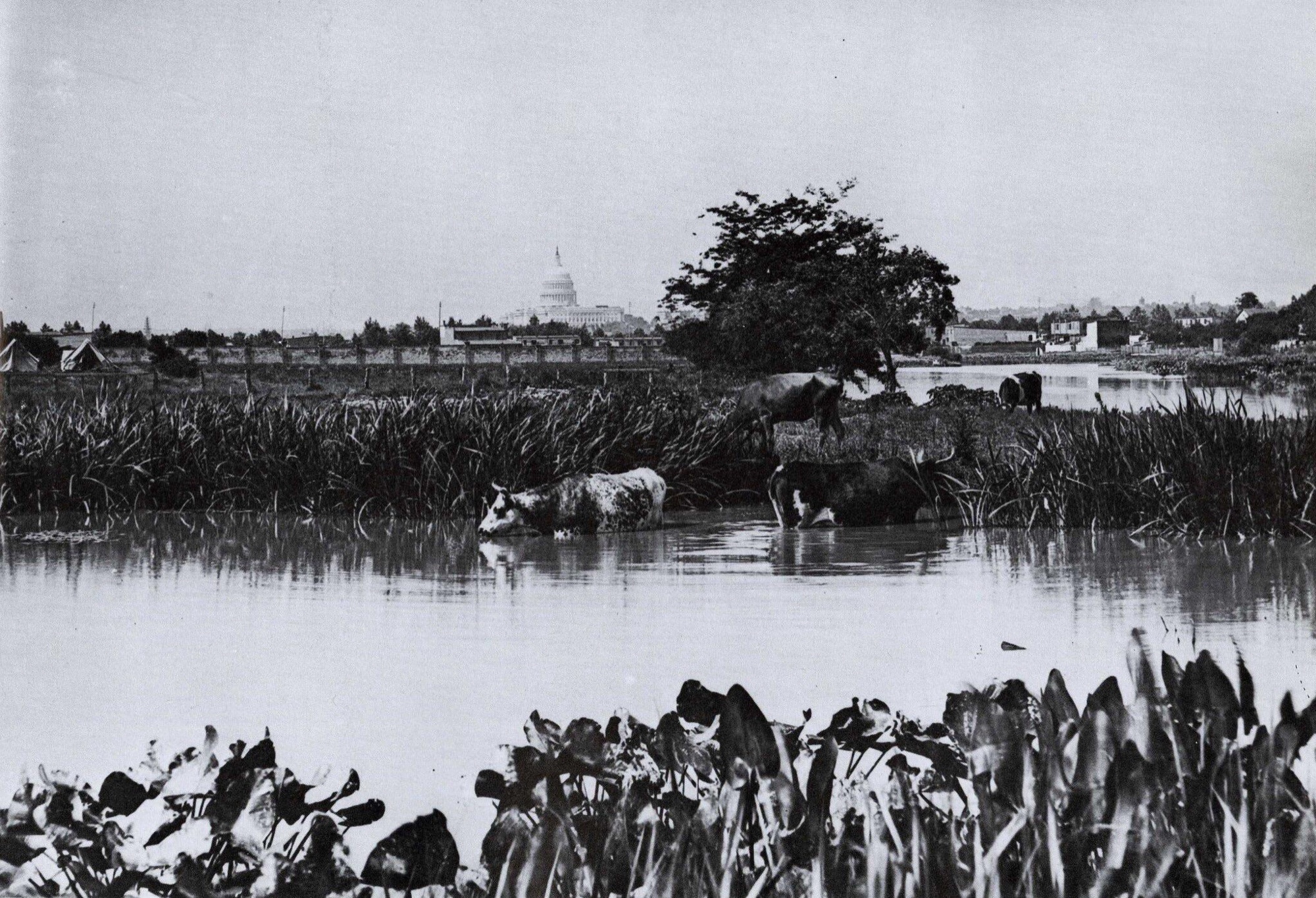
In the 1600s the Anacostia ran deep enough for oceangoing ships, and when Bladensburg was founded upriver in 1742 it grew into one of the busiest tobacco ports in the colonies, handling more oceangoing tonnage than any port in America except Yorktown, Virginia. The tobacco that made it rich undid it. Clearing the watershed's forests for tobacco fields sent its soil washing into the river, and within a century the silt had done what no storm could: the harbor filled in, the big ships stopped coming, and the last one left Bladensburg in 1835. By the 1850s the harbor that once took ocean ships was landlocked.
Sources: Town of Bladensburg · Hyattsville Wire
The gasworks next door
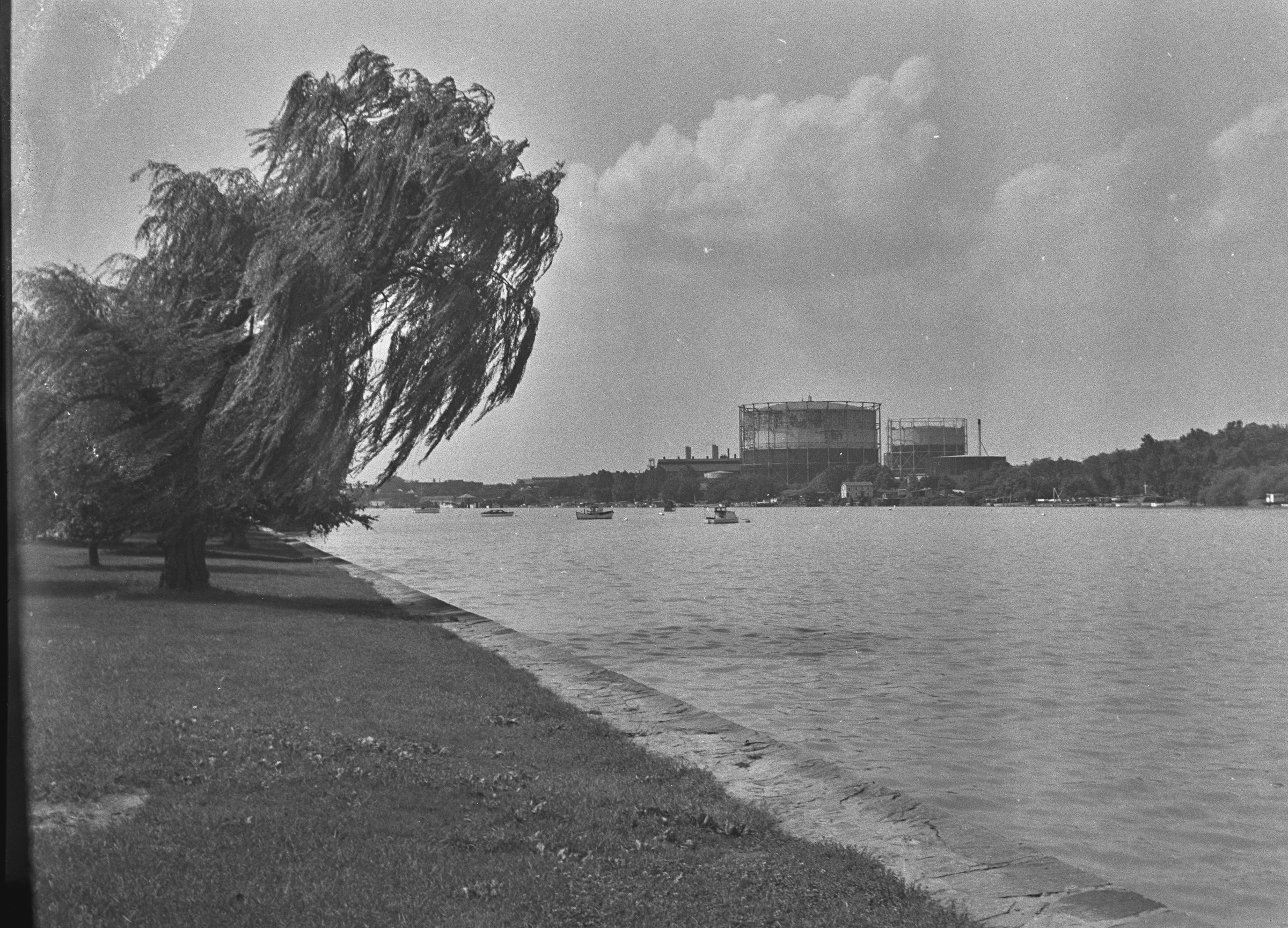
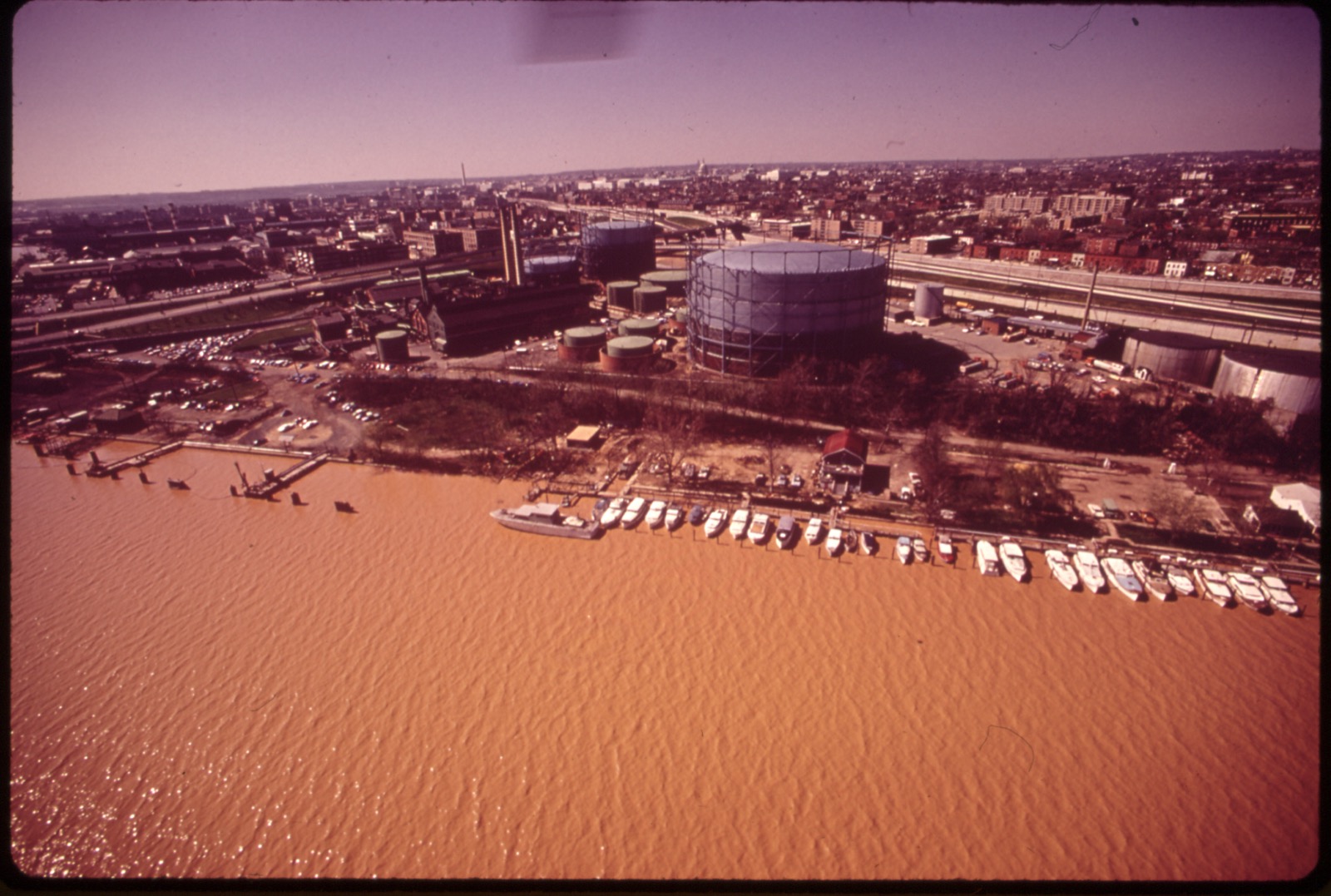
Gas was manufactured from coal and oil at the East Station plant, whose great storage tank stands over the club in our early photographs, from 1888 until 1948 and intermittently into the mid-1980s. The plant was demolished in 1986. Gas-making of that era left coal tar in the ground, and the site has been the subject of federal and District environmental investigation and cleanup work for decades; the National Park Service maintains the public record of that work.
Source: National Park Service
The Crescent Limited goes into the river
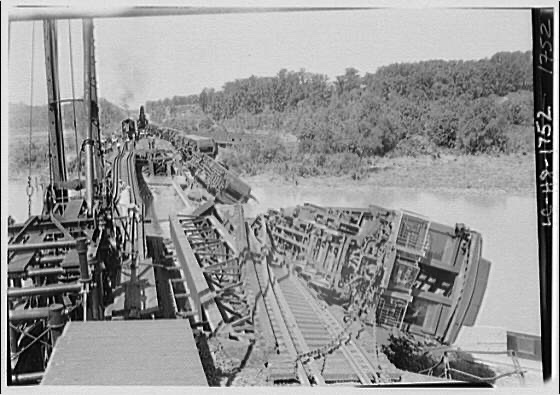
A hurricane's floodwaters undermined the piers of the Pennsylvania Railroad bridge upstream near Kenilworth, and in the early morning the New York to New Orleans Crescent Limited went off it into the water. The engineer and fireman were killed and thirteen passengers hurt. It was front-page news in every Washington paper, on a river the club had already called home for almost thirty years.
Sources: The Washington Times, Aug. 24, 1933 · Ghosts of DC
Kelvin Mock, and the end of the open burning
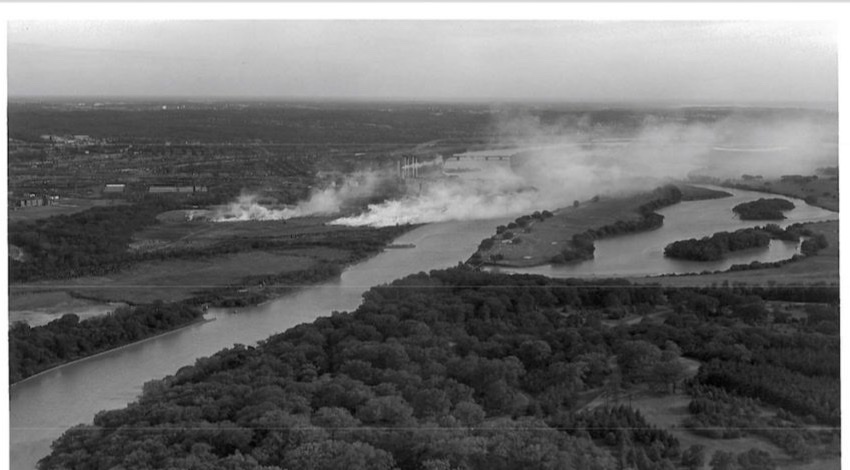
For much of the twentieth century the Anacostia was treated as a dumping ground: its marshes were filled with the city's refuse, and along the upriver bank at Kenilworth the District ran an open dump that grew right to the water's edge. From 1942 the trash there was burned in the open, upriver on the same Anacostia the club calls home, filling the air for miles with smoke. In 1968 the wind shifted while a seven-year-old named Kelvin Mock was playing near the fire with friends, and the flames surrounded him before he could get clear. He died, and Mayor Walter E. Washington moved to end the open burning almost immediately. By the early 1970s the dump itself had closed, been capped over, and become the parkland it is today.
Source: The DC Line, 2020
Fuel oil on Boathouse Row's water
For years the club's nearest neighbor was a working oil terminal: Steuart Petroleum kept its big storage tanks on the hill just above the club and ran a fuel dock on the water beside the boathouses. In January 1992 a valve cracked by a hard freeze put roughly 3,500 gallons of No. 4 fuel oil into the river. The slick ran from the Sousa Bridge down past the 11th Street Bridge, the exact stretch of water the boathouses call home, and crews spent the day working containment booms and absorbent mats along the banks.
Source: NOAA Incident News
A Superfund site up the bank
The Washington Navy Yard, the gun factory where so many of the club's early members worked, sits just upriver on our own side of the Anacostia, on ground that includes the club's first home at the foot of the 11th Street Bridge. It was added to the federal Superfund National Priorities List in 1998. More than a century of heavy industry left PCBs, oil, and metals in its ground and its outfalls to the river. The Navy has signed twelve cleanup decisions there since 2004, and in January 2025 the District sued the federal government over what it called 150 years of pollution of the Anacostia from the Navy Yard and other federal sites.
Sources: EPA · DC Office of the Attorney General, 2025
The cleanup next door
The riverside parcel beside the club, now owned by the District, has been the subject of a long-running federal and District environmental cleanup effort tied to the former gasworks site. A 2006 cleanup decision addressed the soil, and a 2011 settlement, entered as a 2012 consent decree, called for soil removal along the river's edge and a groundwater investigation. The soil work was completed in 2015, with a native meadow planted in its place, and that phase was declared finished in 2023. Groundwater monitoring continues under Park Service oversight.
EPBC supports the ongoing environmental restoration of the Anacostia, including the remediation work at and near our historic site, and is committed to seeing it completed safely and properly.
Sources: National Park Service · Dept. of the Interior, 2011
Coal cars in the river
An 89-car CSX coal train, left with its brakes unset at Benning Yard, rolled more than a quarter mile onto a closed, corroded span of the old railroad bridge just upriver of the boathouses. The span collapsed and dropped coal cars and some 600 tons of coal into the Anacostia. CSX paid the District $660,000 in a 2008 settlement, most of it endowed to river restoration work.
Sources: Washington Examiner · BLET
The reckoning, and the cleanup
The bill is finally being tallied. The District settled with Pepco for $57 million in 2023 over decades of discharges upstream, and in January 2025 it sued the federal government over pollution from the Navy Yard and other federal sites. Under the District's sediment project, dredging of the riverbed's PCB hot spots along this reach, including the sandbar off the boathouses, is set to begin in 2026.
The river is far better than it was, and the work is far from done. The fish advisories still stand: check the District's current guidance before you eat anything caught here.
Sources: DC OAG, 2023 · DC OAG, 2025 · Anacostia River Sediment Project
From the bookshelf
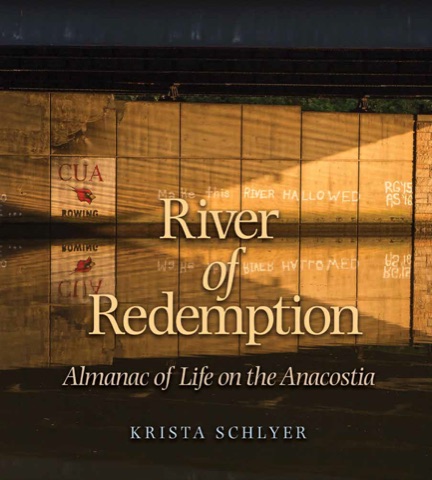
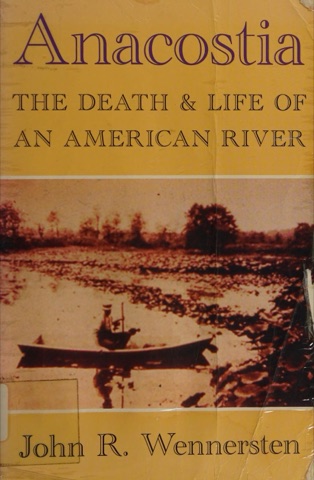
The Anacostia's fall and recovery have been written about at length. Two books the club recommends to anyone who wants the whole story.
- River of Redemption: Almanac of Life on the Anacostia Krista Schlyer's photographic almanac of a year of life on the Anacostia, published by Texas A&M University Press.
- Anacostia: The Death and Life of an American River John R. Wennersten's history of the river, its long decline, and the work of bringing it back. Borrowable from the Internet Archive.
Join us at the next cleanup
Cleanups are open to members, families, and neighbors, and there is always room for another pair of gloves. Get in touch and we will let you know when the next one is.